
Less is not about having nothing, but about making room for what truly matters.
Modern minimalist interior design has evolved into more than just an aesthetic trend—it is now a lifestyle philosophy that reflects clarity, intention, and mindful living. In a world filled with constant stimulation and visual noise, minimalist interiors offer a sense of calm by stripping away unnecessary elements and focusing only on what truly matters. This approach not only improves the visual quality of a space but also enhances the way people experience and interact with their homes on a daily basis.
At its foundation, minimalist design is driven by purpose. Every element within a space must justify its presence, whether through function, emotional value, or subtle beauty. This principle encourages homeowners to move away from impulsive decoration and instead adopt a more thoughtful approach to curating their environment. The result is a space that feels intentional rather than accidental, where each item contributes to the overall harmony.
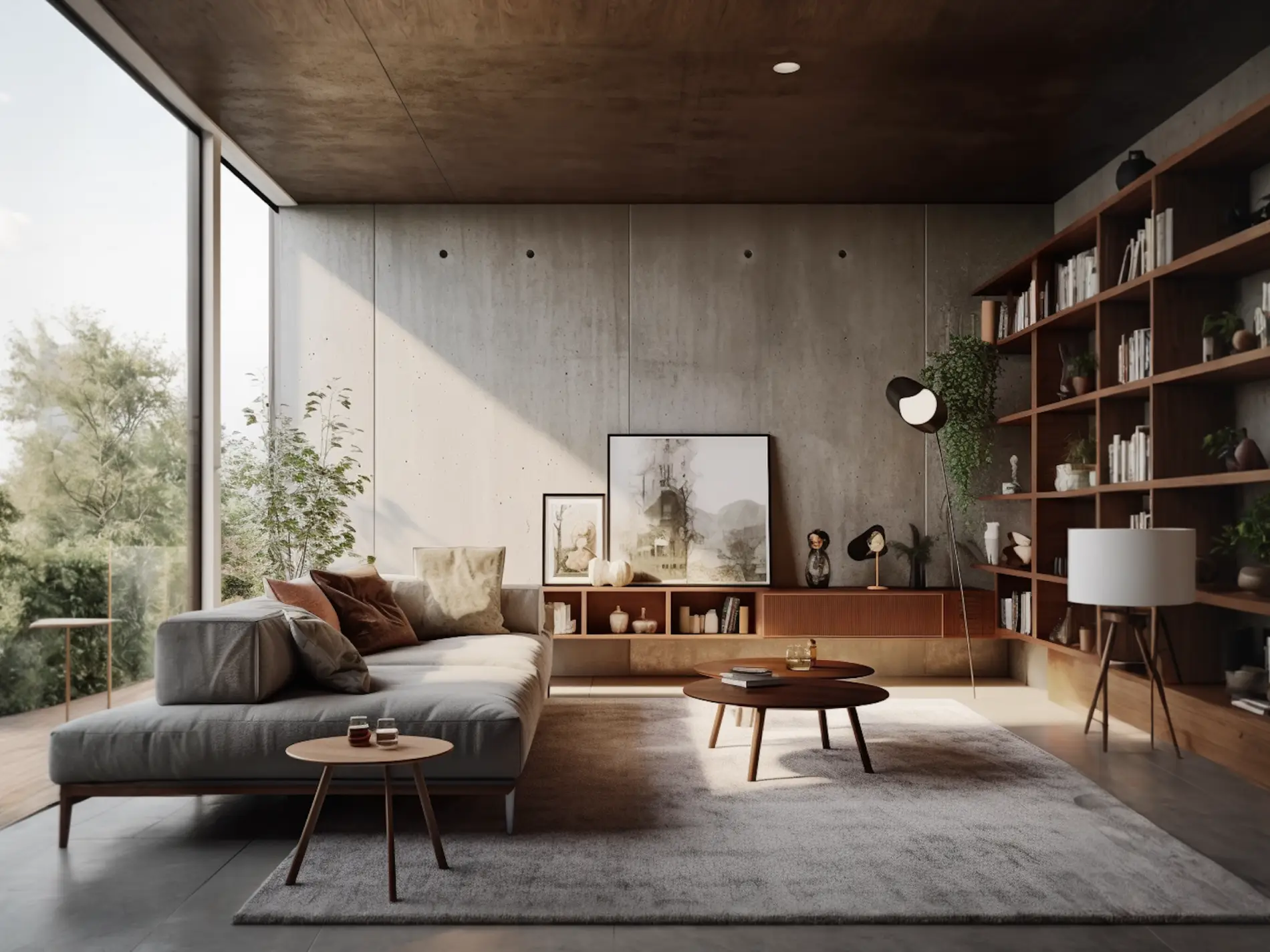
One of the most important aspects of minimalist interiors is spatial clarity. Open layouts, clean lines, and unobstructed pathways create a sense of flow that allows movement to feel natural and effortless. Instead of overcrowding rooms with furniture, designers carefully select fewer pieces that serve multiple functions while maintaining a balanced composition. This creates breathing room within the space, both physically and visually.
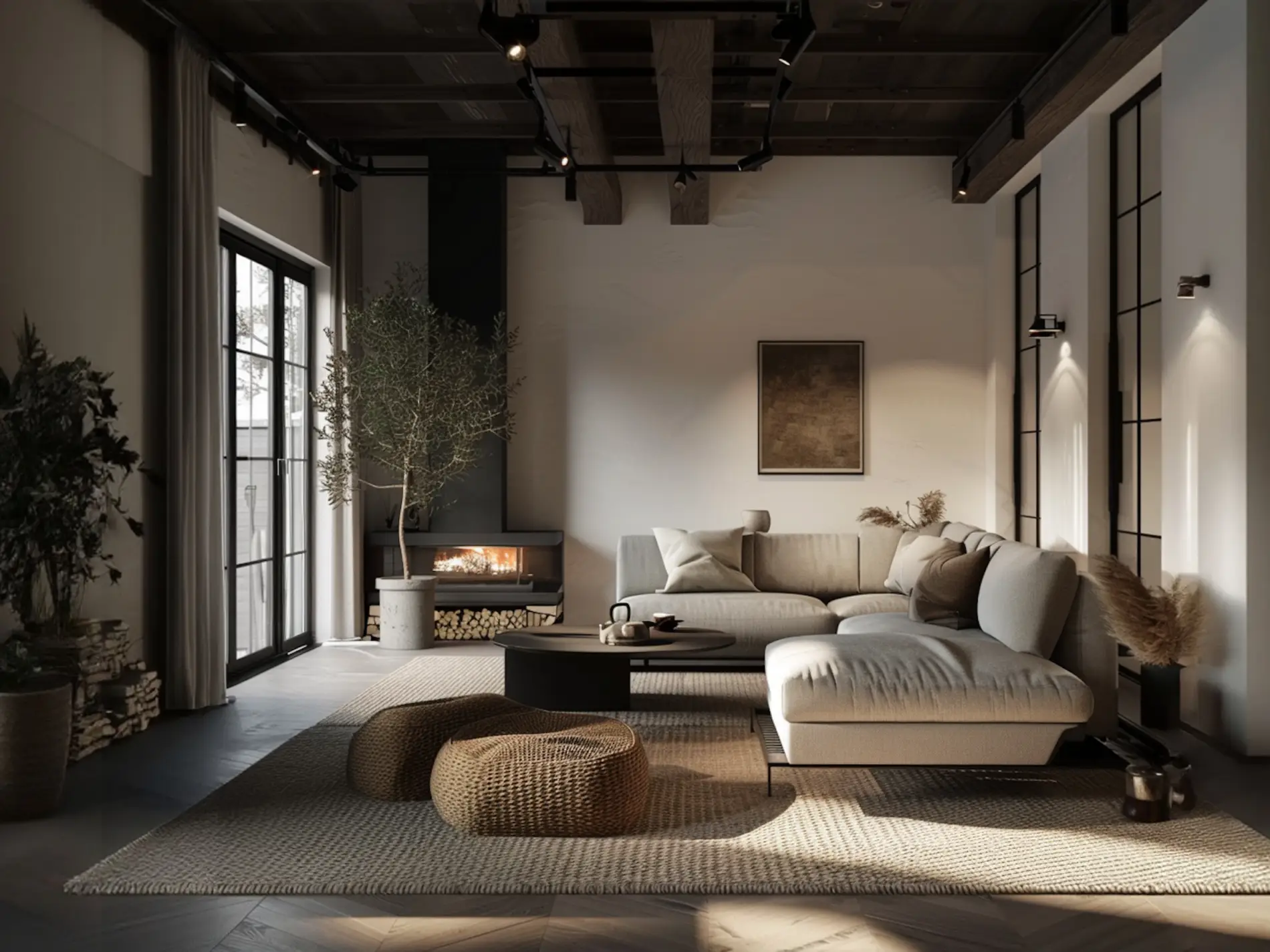
Color plays a crucial role in establishing the minimalist atmosphere. Neutral tones such as white, beige, soft gray, and muted earth colors dominate the palette, creating a calm and cohesive backdrop. These colors also reflect natural light more effectively, making spaces feel brighter and more expansive. Rather than relying on bold contrasts, minimalist interiors achieve depth through subtle tonal variations.
Material selection becomes especially important when decoration is reduced. Natural materials like wood, stone, linen, and cotton introduce warmth and texture without overwhelming the simplicity of the space. These materials age gracefully over time, adding character while maintaining the clean aesthetic that defines minimalist design. Texture, rather than ornamentation, becomes the primary tool for visual interest.
Lighting is another defining element. Large windows are often prioritized to maximize natural light, while artificial lighting is carefully layered to create a soft and inviting ambiance. Instead of harsh overhead lighting, minimalist interiors rely on a combination of ambient, task, and accent lighting to enhance both functionality and mood.
Storage solutions are seamlessly integrated into the design to maintain visual cleanliness. Built-in cabinets, hidden compartments, and multifunctional furniture help keep everyday items out of sight. This reduces clutter and reinforces the sense of order that minimalist spaces are known for. A well-organized space not only looks better but also improves efficiency in daily routines.
Minimalist interiors also encourage a more mindful lifestyle. By limiting distractions, individuals can focus more on activities that bring value, such as relaxation, creativity, or quality time with family. The environment itself becomes a tool that supports mental clarity and emotional well-being.
Consistency across the design is essential to achieving a cohesive look. Repetition of materials, colors, and forms creates a unified identity that flows seamlessly from one room to another. This continuity strengthens the overall experience of the home, making it feel complete and intentional.
Over time, minimalist design proves to be highly sustainable. By investing in fewer, higher-quality items, homeowners reduce waste and avoid the cycle of constant replacement. This long-term approach aligns with both environmental responsibility and financial efficiency.
Ultimately, modern minimalist interior design is not about sacrificing comfort or personality. Instead, it is about refining a space to its most essential form, where beauty and function coexist effortlessly. The result is a home that feels calm, purposeful, and deeply aligned with the way people want to live.