
Simplicity is the ultimate sophistication.
Scandinavian interior design has gained global recognition for its ability to balance simplicity with warmth, creating spaces that feel both functional and inviting. Originating from Nordic countries, this design approach is deeply influenced by climate, culture, and a strong emphasis on quality of life. It reflects a way of living that values comfort, practicality, and connection to the environment.
At its foundation, Scandinavian design prioritizes functionality. Every piece of furniture and decor is selected based on its usefulness, ensuring that the space remains efficient and practical. This focus on purpose aligns closely with minimalist principles, yet Scandinavian interiors introduce a softer and more welcoming atmosphere.
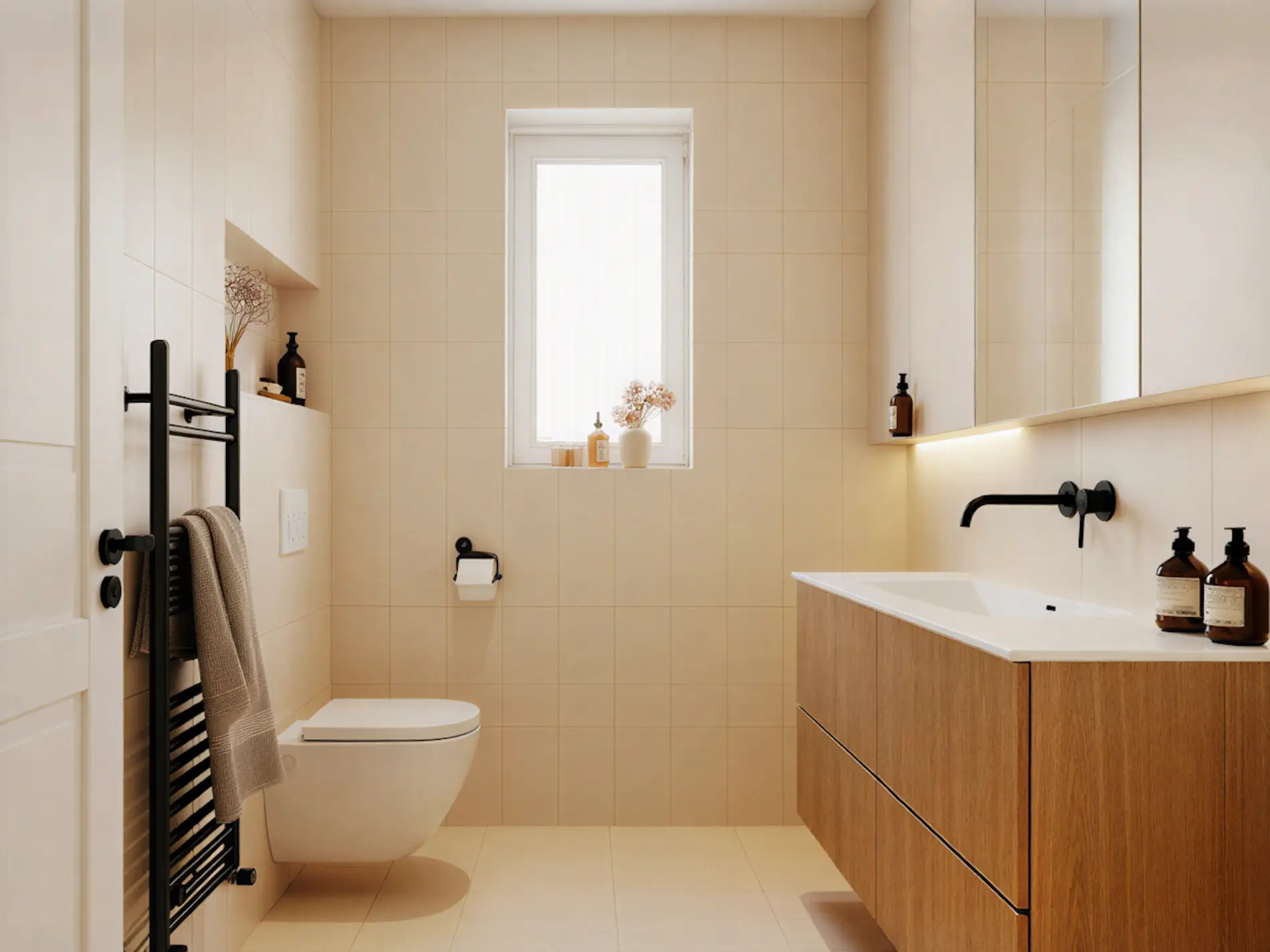
Natural light plays a crucial role in shaping these interiors. Due to long winters and limited daylight in Nordic regions, maximizing light becomes essential. Large windows, light-colored walls, and minimal window treatments allow sunlight to flow freely, creating bright and uplifting spaces.
The color palette is intentionally simple, dominated by whites, soft grays, and muted tones. These colors not only enhance light but also create a calm and cohesive visual environment. Rather than relying on bold contrasts, Scandinavian design achieves depth through subtle variations and layering.
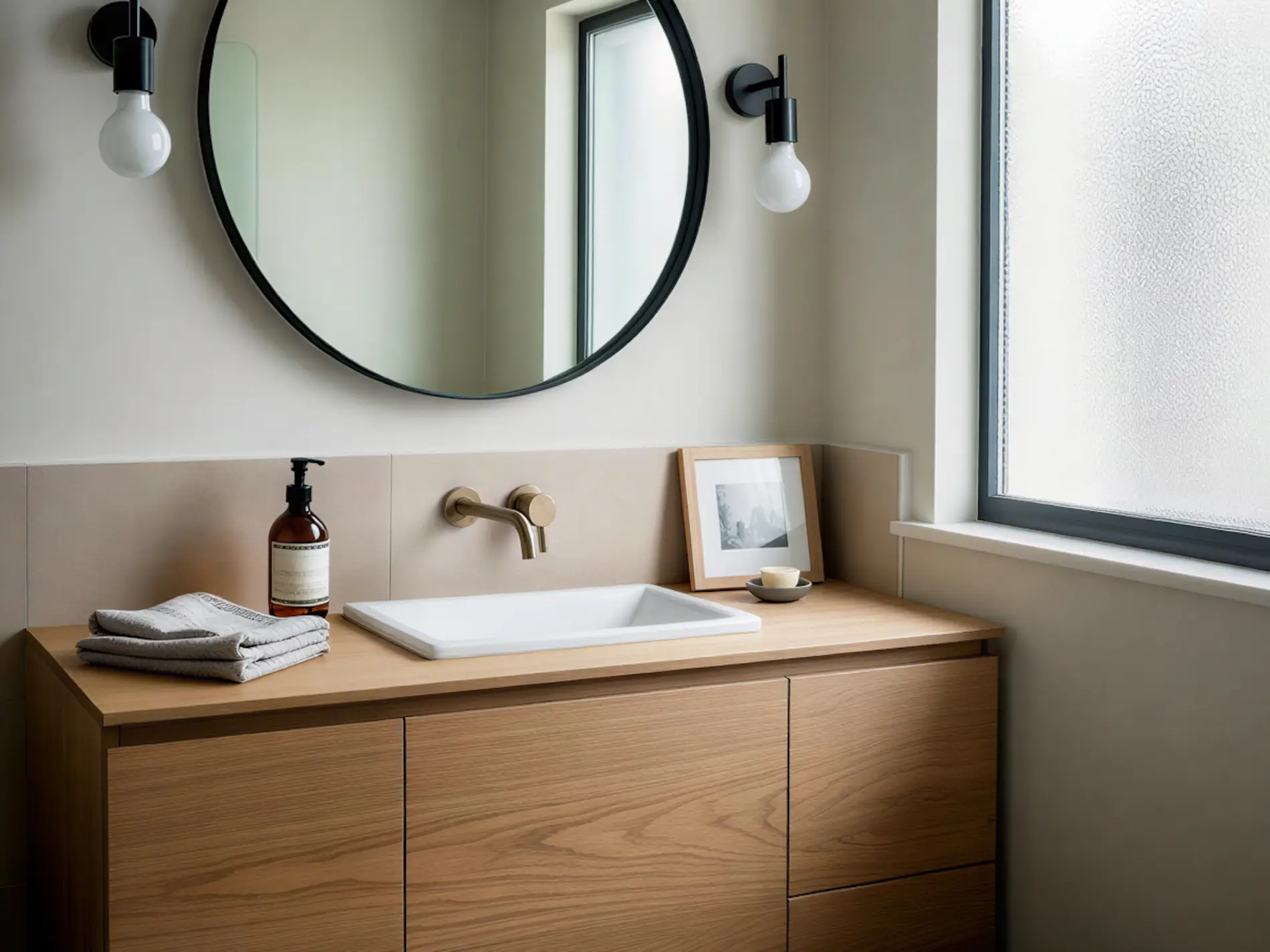
Wood is one of the most defining elements of this style. Light-toned woods such as oak, ash, and pine are commonly used in flooring, furniture, and accents. These materials add warmth and balance, preventing the space from feeling too minimal or cold.
Textiles are equally important in creating a cozy atmosphere. Soft materials like wool, linen, and cotton are used in rugs, throws, and cushions, adding layers of comfort and texture. This concept, often associated with the Danish idea of “hygge,” emphasizes a sense of coziness and well-being.
Furniture design in Scandinavian interiors is characterized by clean lines, simplicity, and craftsmanship. Pieces are often understated yet elegant, focusing on durability and timeless appeal rather than trends.
Balance is a key principle that defines the success of Scandinavian interiors. The combination of minimalism and warmth ensures that spaces feel neither too empty nor overly decorated. This equilibrium creates a harmonious environment that supports everyday living.
Sustainability is also deeply embedded in Scandinavian design. Natural materials, ethical production, and long-lasting products reflect a commitment to environmental responsibility. This approach encourages mindful consumption and reduces waste over time.
Consistency throughout the space helps maintain a cohesive identity. By repeating materials, colors, and design elements, Scandinavian interiors achieve a unified look that feels intentional and complete.
Ultimately, Scandinavian interior design offers a timeless solution for modern living. By combining simplicity, functionality, and warmth, it creates spaces that are not only beautiful but also deeply comfortable and livable.